Welcome to Designs4Gardens Ltd, your ultimate destination for transforming your outdoor space into a captivating haven for wildlife. We believe that every garden has the potential to become a thriving ecosystem, nurturing diverse flora and fauna. In this guide, we will explore the art of creating a wildlife-friendly garden and offer valuable insights and practical tips to help you maximise biodiversity in your own backyard.
The Importance of Wildlife-Friendly Gardens
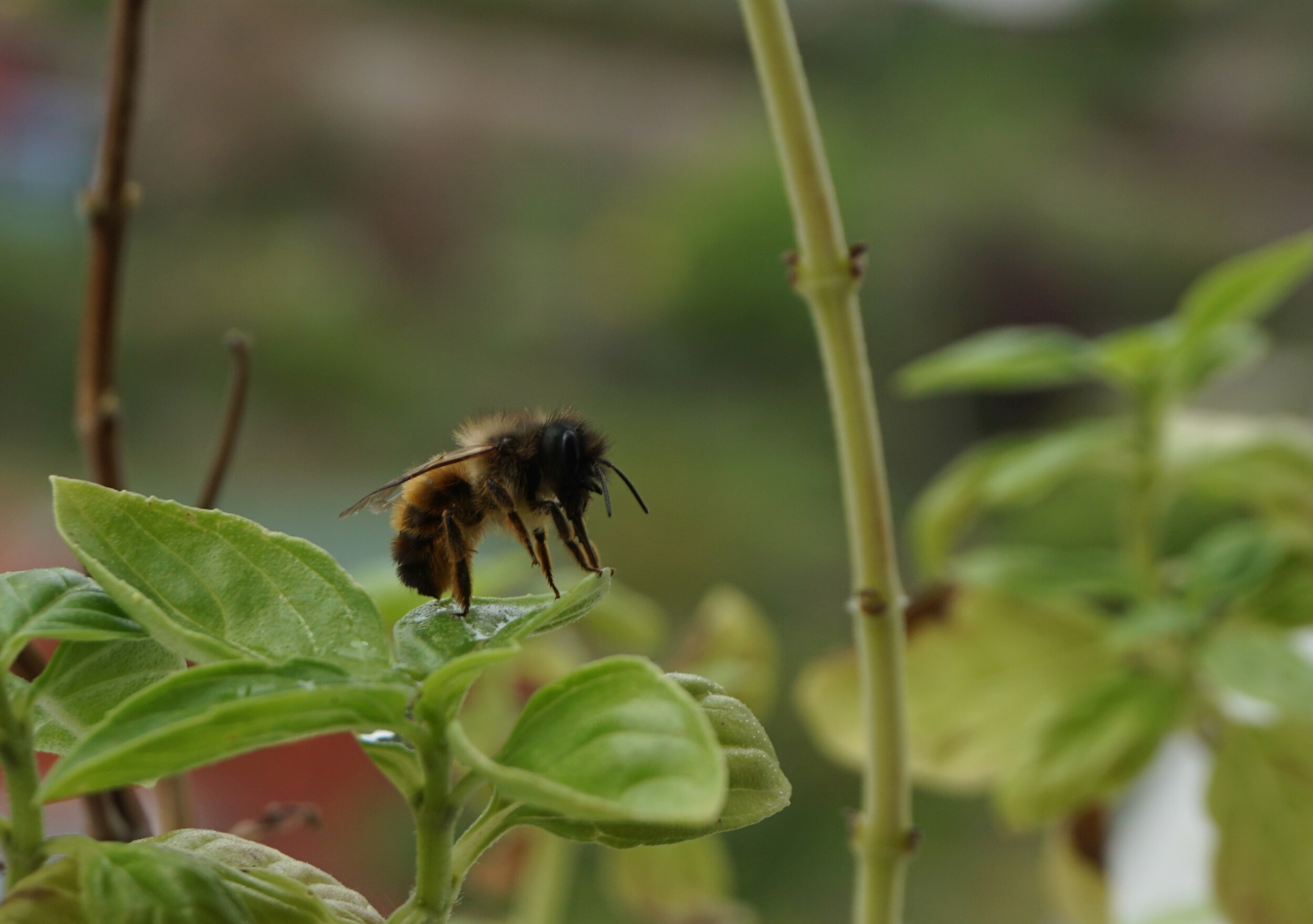
Creating a wildlife-friendly garden goes beyond aesthetics. It is an opportunity to make a positive impact on the environment and contribute to the preservation of biodiversity. By providing a habitat for local wildlife, you are inviting nature’s helpers into your garden, such as bees, butterflies, birds, and beneficial insects. These creatures play a vital role in pollination, pest control, and maintaining a healthy ecosystem.
Designing Your Wildlife-Friendly Garden
Assessing Your Space:
Begin by assessing the layout and characteristics of your garden. Consider factors such as the size, exposure to sunlight, soil type, and existing vegetation. These aspects will influence the design choices you make for your wildlife-friendly garden.
Native Plants:
Introduce a diverse range of native plants to your garden. Native plants have evolved alongside local wildlife and provide essential food and shelter sources. Incorporate flowers, shrubs, and trees that bloom at different times of the year to ensure a consistent supply of nectar and pollen.
Water Features:
Include a water feature, such as a small pond or birdbath, in your garden design. Water is a precious resource for wildlife, attracting various species for drinking, bathing, and reproduction. Ensure the water source has shallow edges to facilitate safe access for creatures of all sizes.
Shelter and Nesting Sites:
Offer shelter options for different types of wildlife. Consider incorporating hedges, rock piles, log piles, and bird boxes to provide safe havens for nesting and roosting. Different species have specific requirements, so diversifying your shelter options will attract a wider array of wildlife.
Avoiding Chemicals:
Minimise or eliminate the use of chemical pesticides and herbicides in your garden. These chemicals can be harmful to wildlife and disrupt the delicate balance of your ecosystem. Embrace natural alternatives and organic gardening practices to maintain a harmonious environment.
Supporting Wildlife in Your Garden
Bird Feeders:
Hang bird feeders in strategic locations to attract various bird species. Different birds have different feeding preferences, so offer a variety of foods such as seeds, nuts, and suet. Regularly clean the feeders to prevent the spread of diseases.
Butterfly and Bee Gardens:
Create designated areas in your garden that cater specifically to butterflies and bees. Plant nectar-rich flowers like lavender, coneflowers, and milkweed to attract these pollinators. Provide flat stones for basking and shallow dishes with water and pebbles for drinking.
Insect Hotels:
Construct or purchase insect hotels to provide nesting sites for beneficial insects like solitary bees and ladybugs. These hotels consist of hollow stems, wooden blocks with drilled holes, and natural materials like pinecones and twigs. Place them in sunny spots throughout your garden.
Composting and Mulching:
Implement composting and mulching practices in your garden. Compost provides a nutrient-rich soil amendment, while mulch helps retain moisture and suppress weeds. Both practices support soil health and create habitat opportunities for various invertebrates.
Maintaining Your Wildlife-Friendly Garden
Regular Maintenance:
Maintain your garden by pruning plants, removing weeds, and clearing debris. Regular upkeep ensures the longevity of your garden and prevents the overgrowth of invasive species.
Seasonal Adjustments:
Adapt your garden to the changing seasons. Consider incorporating plants that provide winter berries, shelter from harsh weather, or early spring blooms to support emerging wildlife.
Continuous Learning:
Stay curious and continue expanding your knowledge about wildlife-friendly gardening. Attend workshops, join local gardening communities, and read books on the subject. Learning from others and sharing experiences can enhance the beauty and functionality of your garden.
Creating a wildlife-friendly garden is an enriching journey that connects you with nature while benefiting the environment. By implementing the tips and practices outlined in this guide, you can transform your garden into a vibrant sanctuary for wildlife. Designs4Gardens Ltd is here to support you on your quest for a more sustainable and biodiverse outdoor space. Contact us today and watch as your garden becomes a thriving haven for a myriad of fascinating creatures.
The Benefits of Creating a Wildlife-Friendly Garden
In a world where urbanisation and habitat loss are on the rise, creating a wildlife-friendly garden has become more important than ever. Beyond the aesthetic appeal and tranquillity it brings, a wildlife-friendly garden offers a multitude of benefits for both humans and the environment. In this article, we will explore the numerous advantages that come with embracing nature and designing a garden that welcomes and supports local wildlife.
Enhancing Biodiversity
One of the most significant benefits of creating a wildlife-friendly garden is the promotion of biodiversity. By incorporating native plants, providing suitable habitats, and eliminating the use of harmful chemicals, you encourage a diverse range of species to flourish. Birds, bees, butterflies, beneficial insects, and even small mammals will find a sanctuary in your garden, contributing to a healthier and more resilient ecosystem.
Pollination and Plant Health
Wildlife, particularly pollinators like bees and butterflies, play a crucial role in the pollination of flowering plants. A wildlife-friendly garden acts as a haven for these essential pollinators, ensuring the continued reproduction of plant species. The increased presence of pollinators leads to improved fruit and seed production, benefiting not only your garden but also nearby farms and natural habitats.
Pest Control
Many species of wildlife are natural predators of garden pests, offering an environmentally friendly and sustainable alternative to chemical pest control. By attracting insect-eating birds, amphibians, and beneficial insects, your garden becomes a balanced ecosystem where these natural pest controllers can thrive. This helps keep the population of harmful insects in check, reducing the need for chemical interventions.
Educational Opportunities
A wildlife-friendly garden provides an excellent educational platform for both children and adults. Observing and interacting with wildlife in their natural habitat fosters a deeper understanding and appreciation of the natural world. It offers opportunities to learn about different species, their behaviours, and the interconnectedness of ecosystems. Such firsthand experiences can inspire a lifelong passion for conservation and environmental stewardship.
Stress Relief and Well-being
Spending time in a wildlife-friendly garden has proven therapeutic benefits for mental health and well-being. Being surrounded by nature, listening to birdsong, and witnessing the intricate interactions between plants and animals can reduce stress levels, improve mood, and increase overall feelings of happiness and tranquillity. A garden designed to attract wildlife provides a serene sanctuary for relaxation and rejuvenation.
Environmental Conservation
Creating a wildlife-friendly garden is an act of environmental conservation on a small scale. By providing habitat and resources for local wildlife, you contribute to the preservation of species diversity and help mitigate the effects of habitat loss. Your garden becomes a stepping stone in a network of interconnected habitats, supporting the broader goal of conserving biodiversity.
Community Engagement
A wildlife-friendly garden has the potential to bring communities together. Sharing your knowledge and experiences with neighbours, friends, and local organisations can inspire others to create their own wildlife-friendly spaces. It fosters a sense of community and collective responsibility for the environment, creating opportunities for collaboration and shared learning.
Creating a wildlife-friendly garden is a rewarding and impactful endeavour that goes beyond mere aesthetics. It offers a multitude of benefits, including enhanced biodiversity, pollination support, natural pest control, educational opportunities, stress relief, environmental conservation, and community engagement. By embracing nature and welcoming wildlife into our gardens, we can make a positive difference in preserving our planet’s natural heritage. Start today and experience the joys and rewards of a wildlife-friendly garden.